
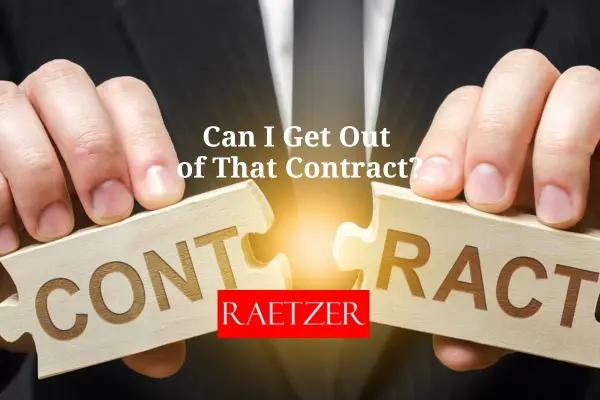
You signed that contract six months ago, and now it feels like a lead weight around your business’s neck. Maybe your vendor raised prices 40% with no warning. Maybe your landlord is demanding repairs you can’t afford. Maybe that exclusive supplier agreement is choking off better opportunities. Whatever the situation, you’re wondering: Can I actually get out of this thing?
The short answer? Often, yes, but it depends on the details. Let’s walk through the real exit strategies that work for Main Street business owners, without the legal jargon that makes your head spin.
Look for Built-In Escape Hatches: Termination Clauses
Before you panic, grab your contract and scan for termination language. You might have more wiggle room than you think.
Standard termination clauses usually fall into a few categories:
- For cause termination (when the other party screws up significantly)
- For convenience termination (either party can exit with proper notice)
- Automatic termination (contract ends if certain events happen)
Here’s what to hunt for: phrases like “either party may terminate,” “upon 30 days written notice,” or “in the event of material breach.” Even seemingly iron-clad agreements often include these escape routes, they’re just buried in the fine print.
Real example: A restaurant owner felt stuck in a three-year cleaning service contract after the company started showing up late and doing sloppy work. Buried in section 12, subsection (c), was language allowing termination “for material breach with 15 days written notice to cure.” The restaurant owner documented the poor performance, sent the required notice, and was legally free within a month.
Don’t just look at the obvious sections. Check the payment terms, insurance requirements, and compliance sections too. Sometimes termination rights hide in unexpected places.
When the Other Party Drops the Ball: Material Breach
If your contract partner isn’t holding up their end of the bargain, you might have grounds to walk away entirely. But here’s the catch: the breach usually needs to be “material”, meaning it significantly undermines the contract’s purpose.

What counts as material breach?
- Consistent failure to meet delivery deadlines
- Providing services or products that don’t meet agreed specifications
- Non-payment (if you’re the one providing services/products)
- Violating key terms like confidentiality or exclusivity agreements
What probably doesn’t count:
- Minor delays or quality issues that don’t affect the core deal
- Technical violations that don’t hurt your business
- Personal disputes or communication problems
The documentation game: If you’re dealing with ongoing performance issues, start creating a paper trail now. Send emails confirming problems, take photos of substandard work, and keep records of missed deadlines. Courts love documentation, and your lawyer will thank you later.
Pro tip: Many contracts require you to give the other party a chance to “cure” the breach before you can terminate. This usually means sending written notice and waiting a specified period (often 30 days) to see if they fix the problem.
Unenforceable Terms: When Contracts Overreach
Some contract terms are simply unenforceable under the law, even if both parties signed them. If your agreement contains these problematic clauses, you might have grounds to void portions of the contract, or sometimes the entire deal.
Common unenforceable provisions:
- Unconscionable terms that are so one-sided they shock the conscience
- Illegal requirements that violate state or federal law
- Overly broad non-compete clauses that prevent you from earning a living
- Penalty clauses designed to punish rather than compensate for actual damages
Example scenario: A small marketing firm signed a client agreement with a clause requiring them to pay $50,000 if they ever worked with a competing business, even after the contract ended. Courts in most states would likely find this unenforceable as an unreasonable restraint on trade.
Here’s the thing about unenforceable terms: just because they’re in your contract doesn’t mean they’re legal. Courts regularly strike down overreaching clauses, especially in contracts between parties with unequal bargaining power (think small business vs. large corporation).
Open-Ended Contracts: No Exit Date in Sight
Got a contract that automatically renews or has no clear end date? These open-ended agreements often feel like life sentences, but they actually come with some built-in consumer protections.
Your rights with indefinite contracts:
- Reasonable notice termination: Most states allow you to terminate indefinite contracts with reasonable notice (typically 30-90 days)
- Annual review periods: Even if not explicitly stated, courts often imply annual evaluation points for ongoing contracts
- Changed circumstances: Significant business changes can justify termination of open-ended deals
Watch out for auto-renewal clauses. These sneaky provisions automatically extend your contract unless you give notice by a specific deadline (sometimes 6-12 months before renewal). Miss the deadline, and you’re locked in for another term. Set calendar reminders well in advance of these dates.
When Everything Changes: Frustration of Purpose
Sometimes external circumstances make your contract pointless or impossible to fulfill. Legal doctrine calls this “frustration of purpose” or “commercial impracticability,” and it can provide an escape hatch when the unexpected happens.
Classic examples:
- A catering contract for events that get banned due to health emergencies
- Supply agreements when raw materials become impossible to obtain
- Lease agreements for businesses that become illegal to operate
The COVID-19 pandemic created thousands of these situations. Restaurants couldn’t operate normally, event venues sat empty, and supply chains collapsed. Many businesses successfully used frustration of purpose arguments to exit unfavorable contracts.
The legal bar is high: You’ll need to show that circumstances changed so dramatically that the contract’s fundamental purpose was destroyed, not just that it became more expensive or inconvenient.

The Underrated Power of Just Asking: Renegotiation
Here’s something lawyers don’t always emphasize: sometimes the simplest solution is having an honest conversation with the other party. Many business relationships can be restructured through good-faith negotiation.
Why the other party might say yes:
- Keeping you as a customer is cheaper than finding a replacement
- They’re facing their own business pressures and need flexibility too
- A modified agreement beats a messy legal dispute
- Your relationship has value beyond this single contract
How to approach renegotiation:
- Come with solutions, not just problems: “Can we adjust the payment schedule?” works better than “This deal is killing me.”
- Acknowledge their interests: Show you understand their needs and constraints.
- Offer something in return: Extended terms, additional services, or other considerations.
- Put everything in writing: Any modifications should be documented properly.
Real success story: A small manufacturer was struggling with a supplier contract requiring minimum monthly orders that had become too large for their shrinking business. Instead of looking for legal exits, they approached the supplier with a proposal: smaller minimums in exchange for a longer-term commitment and exclusive purchasing for certain products. The supplier agreed, preferring predictable business over uncertain volume.
Before You Throw in the Towel, Ask Yourself…
✅ Have I thoroughly read my contract for termination clauses?
Many business owners never fully read their agreements after signing. Spend an hour going through yours carefully.
✅ Can I document any material breaches by the other party?
Start keeping records now if you haven’t already. Photos, emails, and written communications matter.
✅ Are there any obviously unfair or potentially illegal terms?
Unconscionable clauses, illegal requirements, or overly broad restrictions might void parts of your agreement.
✅ When does this contract expire or renew?
Mark important dates on your calendar. Auto-renewal deadlines creep up fast.
✅ Have circumstances changed dramatically since I signed?
Major industry shifts, regulatory changes, or force majeure events might provide legal grounds for termination.
✅ Have I tried talking to the other party?
Simple negotiation solves more contract disputes than lawsuits ever will.
✅ Do I understand the real costs of staying vs. leaving?
Sometimes paying termination fees is cheaper than staying trapped in a bad deal.
✅ Should I talk to a lawyer before making any moves?
Contract law varies by state, and every situation has unique factors that affect your options.
Your Next Steps
Feeling trapped in a contract doesn’t mean you are trapped. Whether it’s finding hidden termination clauses, documenting material breaches, or simply having an honest conversation with the other party, you likely have more options than you realize.
The key is acting strategically rather than emotionally. Document everything, understand your legal position, and explore all your options before making any dramatic moves.
If you’re dealing with a problematic contract that’s hurting your business, Raetzer PLLC can review your specific situation and help you understand your real options. Every contract is different, and what works for one business might not work for another. Sometimes a quick consultation can save you months of unnecessary stress: or help you exit a bad deal cleanly and legally.
Remember: contracts are business tools, not prison sentences. With the right approach and proper legal guidance, most contract problems have workable solutions.
Disclaimer: This article provides general information and should not be considered legal advice. Every business sale situation is unique, and you should consult with qualified legal and financial professionals before making any major business decisions.
Ready to start the process? The team at Raetzer PLLC has helped numerous business owners successfully navigate the sale process. We can help ensure your legal documentation is bulletproof and your transaction structure protects your interests.


