
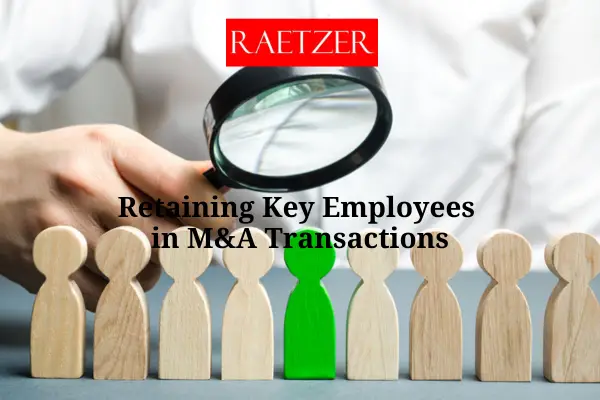
When you’re selling your business or going through a merger, keeping your best people is just as important as getting the right price. Lose your key employees, and you could watch the deal value evaporate: or worse, see your business struggle after closing.
Here’s the reality: 72% of successful acquirers start their employee retention planning during due diligence, not after the deal closes. The companies that wait? They lose critical talent and often struggle to hit their post-deal performance targets.
Why Your Key Employees Make or Break the Deal
Your key employees aren’t just workers: they’re the backbone of your business value. They hold institutional knowledge that took years to build, maintain relationships with your biggest customers, and understand the nuances that keep operations running smoothly.
Knowledge Loss: When your operations manager leaves, they take years of process improvements, vendor relationships, and problem-solving experience with them. That knowledge doesn’t transfer in a handoff meeting.
Customer Relationships: Your top salesperson doesn’t just know the numbers: they know that your biggest client prefers calls over emails and always needs an extra week on delivery. Lose them, and you risk losing customers.
Cultural Continuity: Key employees often serve as cultural ambassadors, helping other team members navigate change and maintain morale during uncertain times.
Deal Value Protection: Buyers pay premiums for stable, predictable businesses. High turnover signals instability and can trigger price adjustments or deal terms that protect the buyer at your expense.

How to Identify Your Key Players
You can’t retain everyone, and trying to do so wastes resources and creates resentment. Focus on identifying about 2% of your workforce as truly critical talent.
The Key Employee Checklist
Performance Indicators:
- Consistently receives outstanding performance reviews
- Earns competitive or above-market salaries
- Leads mission-critical projects or departments
- Has specialized skills that are hard to replace
Relationship Capital:
- Maintains direct relationships with major customers or vendors
- Serves as a go-to person for problem-solving
- Other employees frequently seek their advice or guidance
- Has deep knowledge of proprietary processes or systems
Cultural Influence:
- Acts as an informal leader or influencer
- Newer employees look to them for guidance
- Helps maintain team morale during challenging periods
- Embodies your company culture and values
Pre-Deal Retention Strategy
Start your retention planning before you even sign a letter of intent. Early action prevents key employees from jumping ship when they smell change in the air.
Communication is Everything
Be Transparent Early: Don’t let rumors fill the information vacuum. When key employees start sensing something’s happening, address it directly. Frame the potential transaction as a growth opportunity, not a threat.
Individual Conversations: Have one-on-one discussions with your most critical employees. Ask about their concerns, career goals, and what would make them excited about staying through and after a transition.
Growth Messaging: Position the deal as expanding opportunities: access to new markets, resources for career development, or chances to work on bigger projects.
Financial Incentives That Work
Retention Bonuses: Plan for bonuses equal to 10-30% of annual salary, paid in installments at closing, six months post-close, and 12 months post-close. This structure encourages employees to stay through the critical integration period.
Deal Participation: Consider offering key employees a small stake in the transaction proceeds, especially if they’ve been with the company for years and contributed significantly to its value.
Employment Guarantees: Provide written assurances about job security for a specific period: typically 12-24 months: with competitive severance if their role is eliminated.
During the Deal: Managing the Transition
The period between signing and closing is critical. Your key employees will be watching every move, looking for signs about their future.
Keep Them Involved
Integration Planning: Include key employees in planning discussions about how the companies will work together. When people help shape the future, they’re more invested in it.
Decision-Making Authority: Don’t strip away your key employees’ authority during the transition. Buyers often want to understand decision-making processes, but sudden changes in responsibility can signal that someone’s role is at risk.
Regular Updates: Provide consistent updates on deal progress, timing, and what employees can expect. Uncertainty breeds anxiety, and anxious employees start looking for other opportunities.
Addressing New Requirements
If your business doesn’t currently have non-compete or non-solicitation agreements, the buyer will likely require them. In Texas, these agreements must be reasonable in scope, geography, and time to be enforceable.
Frame Positively: Present new restrictive covenants alongside benefits: career development opportunities, expanded responsibilities, or additional compensation.
Texas-Specific Considerations: Texas courts will only enforce non-competes that are ancillary to an otherwise enforceable agreement and reasonable in time, geographic area, and scope of activity. Work with legal counsel to ensure agreements meet these requirements.
Post-Deal Integration: The First 90 Days
Your retention efforts intensify after closing. This is when abstract promises become concrete realities, and employees decide whether to stay long-term.
Structured Onboarding
Clear Role Definitions: Eliminate confusion about reporting structures, responsibilities, and decision-making authority. Create detailed organization charts and role descriptions.
Cultural Integration: Help employees understand how the combined company’s culture will evolve. Address differences in communication styles, meeting cadences, and workplace policies upfront.
Success Metrics: Establish clear performance expectations and success metrics for key roles. Employees need to know how they’ll be evaluated in the new structure.
Ongoing Support
Regular Check-ins: Schedule formal meetings at 30, 60, and 90 days to address concerns and gather feedback. These shouldn’t be perfunctory: use them to make real adjustments.
Career Development: Deliver on promises about growth opportunities. If you said someone would have expanded responsibilities, make it happen within the first few months.
Succession Planning: Identify backup plans for critical roles. Some turnover is inevitable: have contingency plans ready.
Action Checklists for Each Stage
Pre-Deal Checklist
- Identify top 2% of workforce as critical talent
- Conduct individual conversations with key employees
- Design retention bonus structure (10-30% of salary)
- Prepare employment guarantee letters
- Review existing employment agreements for gaps
During Deal Checklist
- Include key employees in integration planning
- Provide weekly deal updates to critical talent
- Draft new non-compete/non-solicit agreements (Texas-compliant)
- Address role changes and reporting structure questions
- Maintain current decision-making authority where possible
Post-Deal Checklist (First 90 Days)
- Execute formal onboarding process for key employees
- Schedule 30/60/90-day check-in meetings
- Pay first retention bonus installment at closing
- Implement promised career development opportunities
- Monitor turnover rates and employee satisfaction metrics
- Adjust retention strategies based on feedback
Legal Considerations in Texas
Texas law has specific requirements for employment agreements, particularly around restrictive covenants. Non-compete agreements must be reasonable in time (typically 1-2 years), geographic scope (limited to areas where the company actually operates), and activity scope (related to the employee’s actual job functions).
Non-solicitation agreements generally have more flexibility but still must be reasonable. Consider including:
- Customer non-solicitation provisions
- Employee non-solicitation clauses
- Confidentiality and trade secret protection
- Garden leave provisions for senior employees
Texas courts won’t enforce overly broad agreements, so work with experienced counsel to ensure your documents are enforceable while still protecting your interests.
The Bottom Line
Successful employee retention during M&A requires early planning, transparent communication, and a combination of financial and non-financial incentives. Companies that start retention planning during due diligence, focus on their most critical 2% of employees, and follow through on post-deal promises significantly outperform those that take a reactive approach.
Remember: your key employees have options. Make staying with your company through the transition the most attractive option available.
Need help developing a retention strategy that works? Every M&A situation is unique, and cookie-cutter approaches often fail. Contact Raetzer PLLC to discuss your specific situation and develop a tailored plan that protects your deal value and keeps your best people engaged through the transition.


